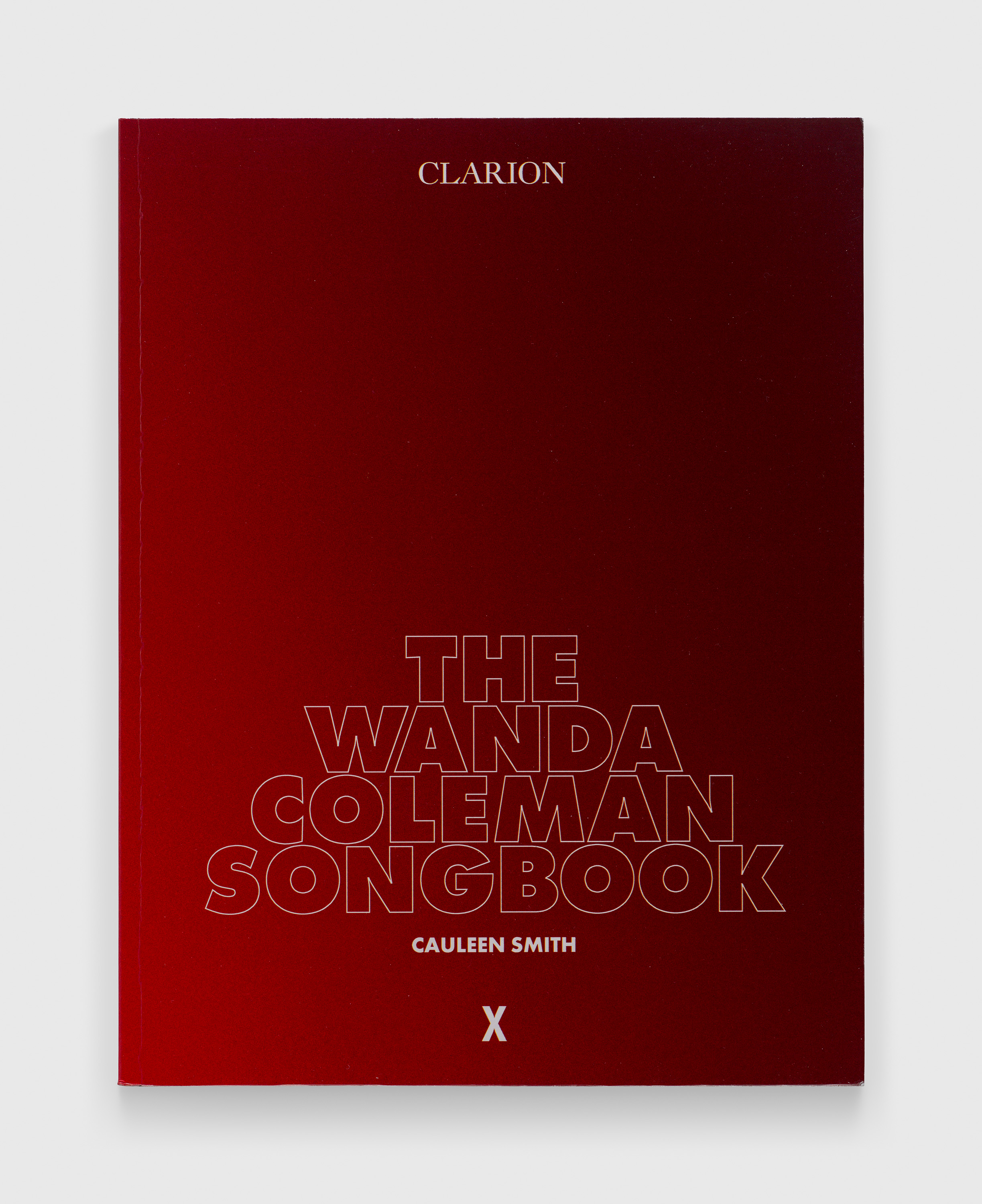
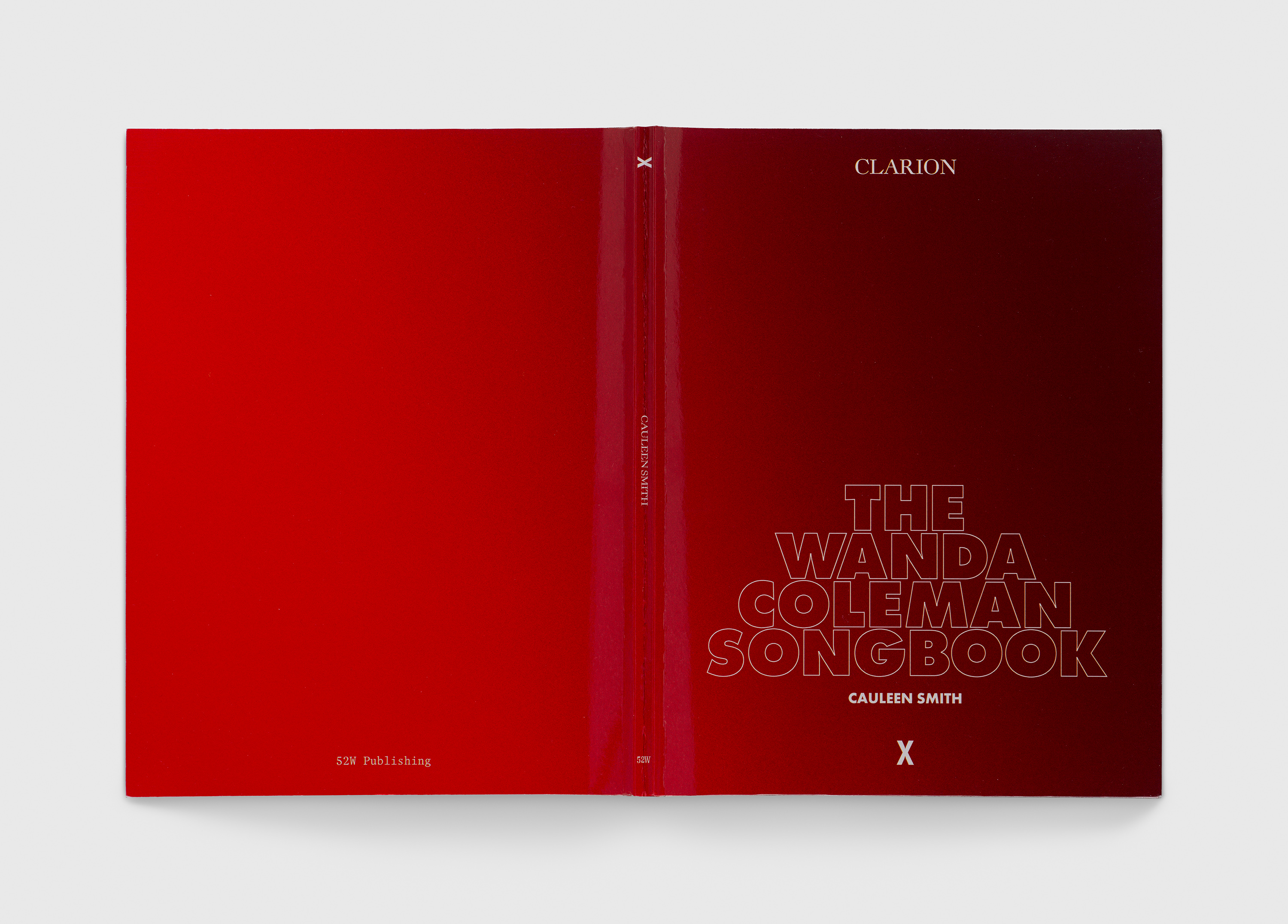
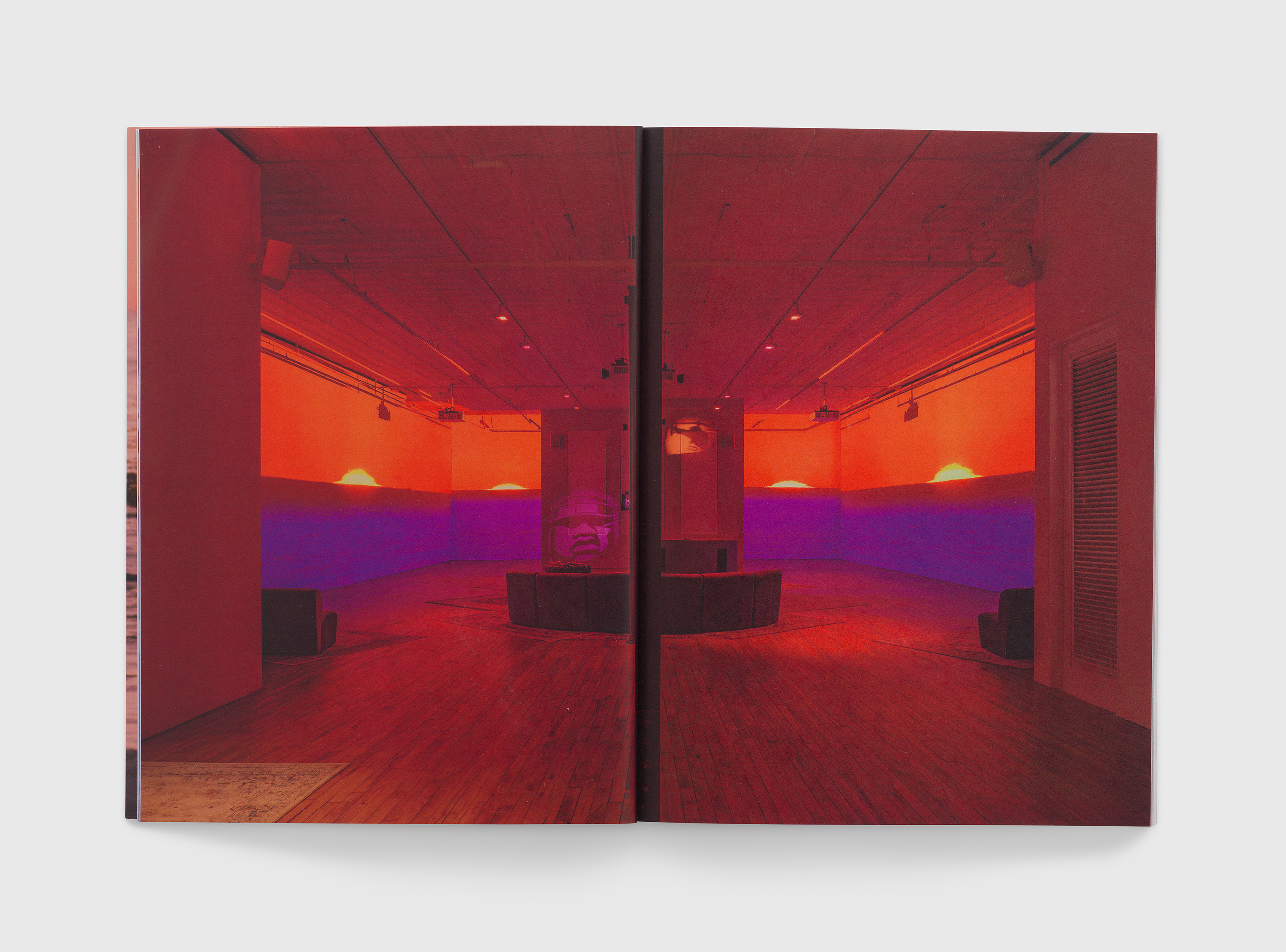
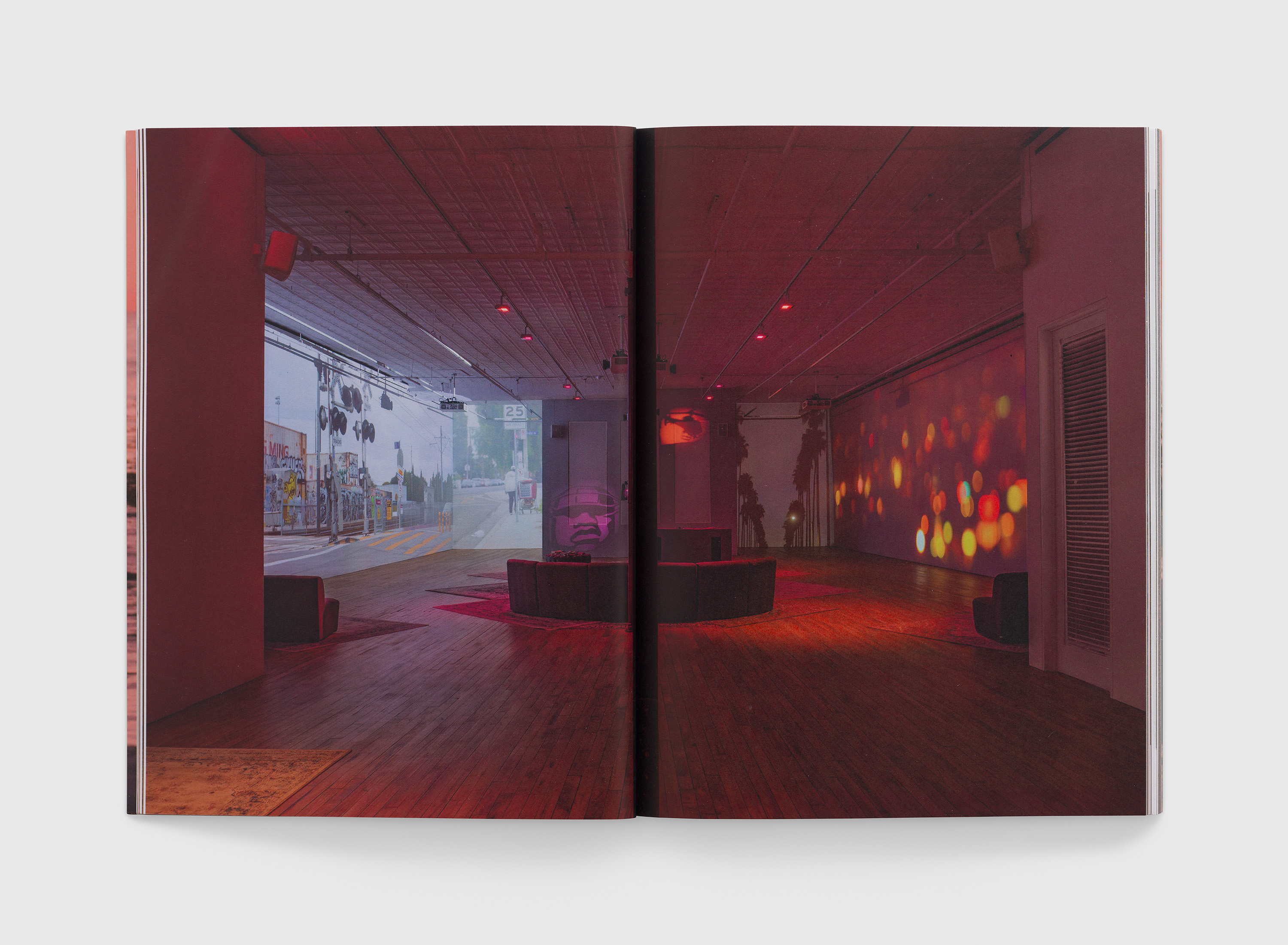
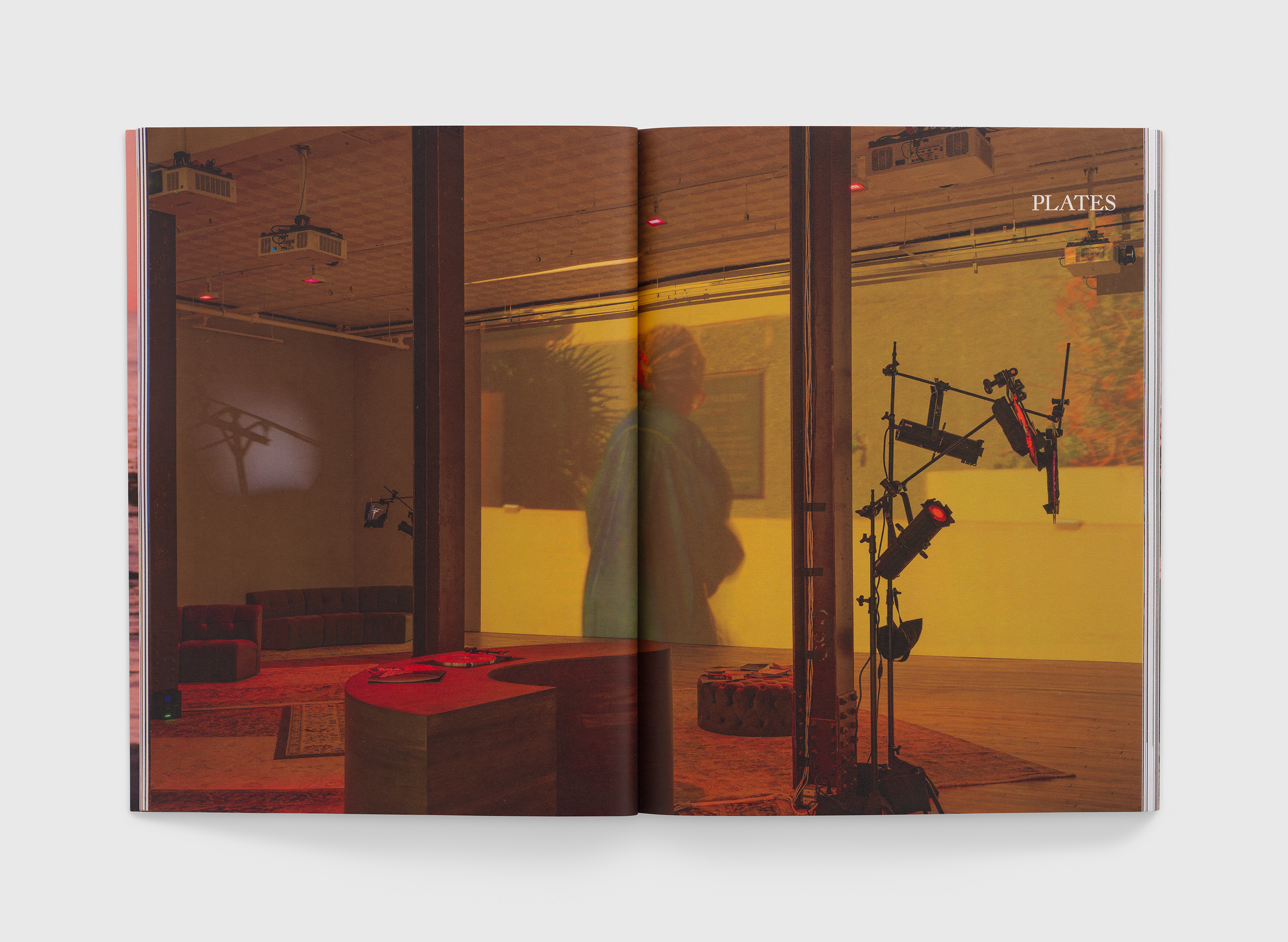
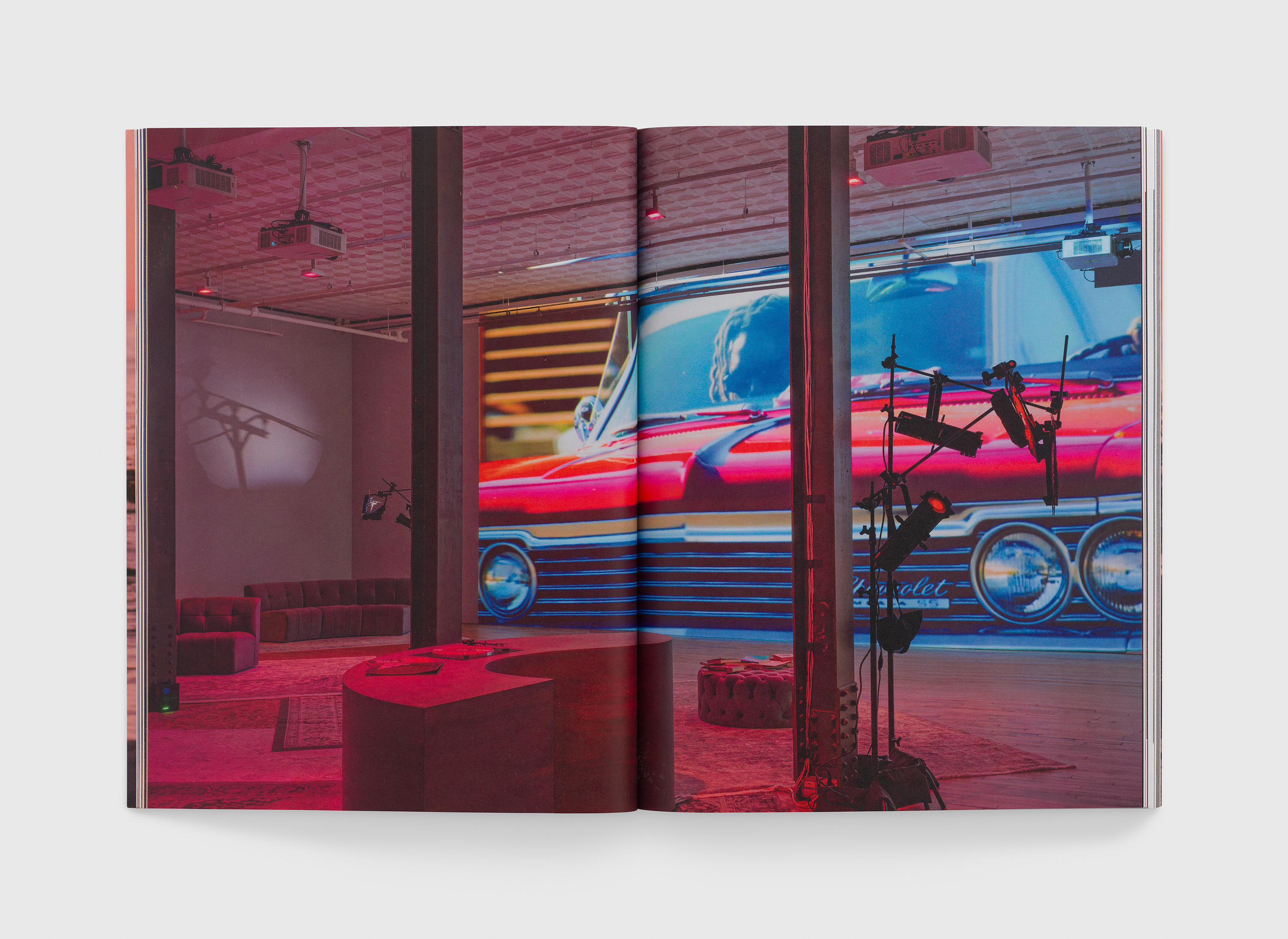
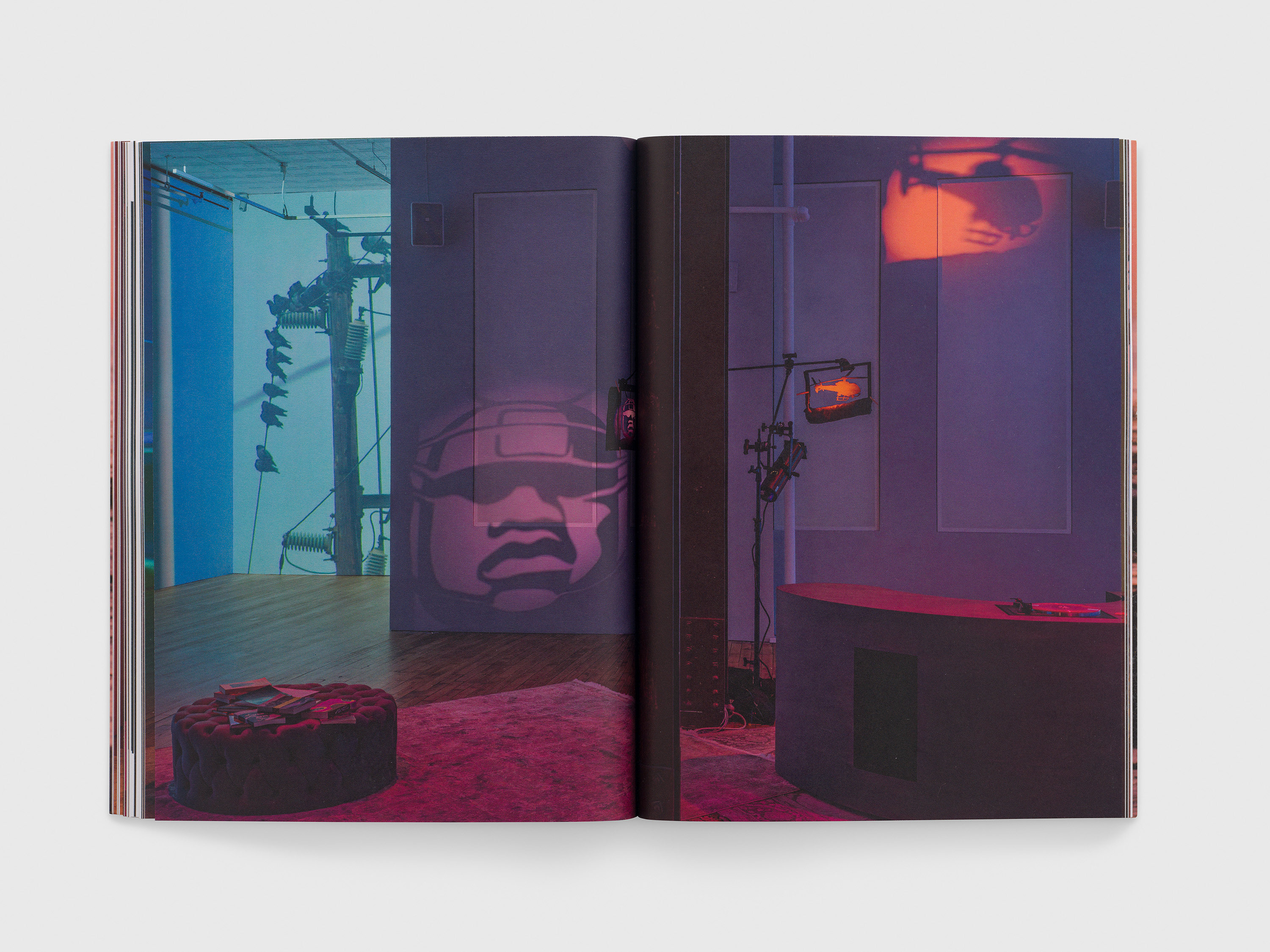
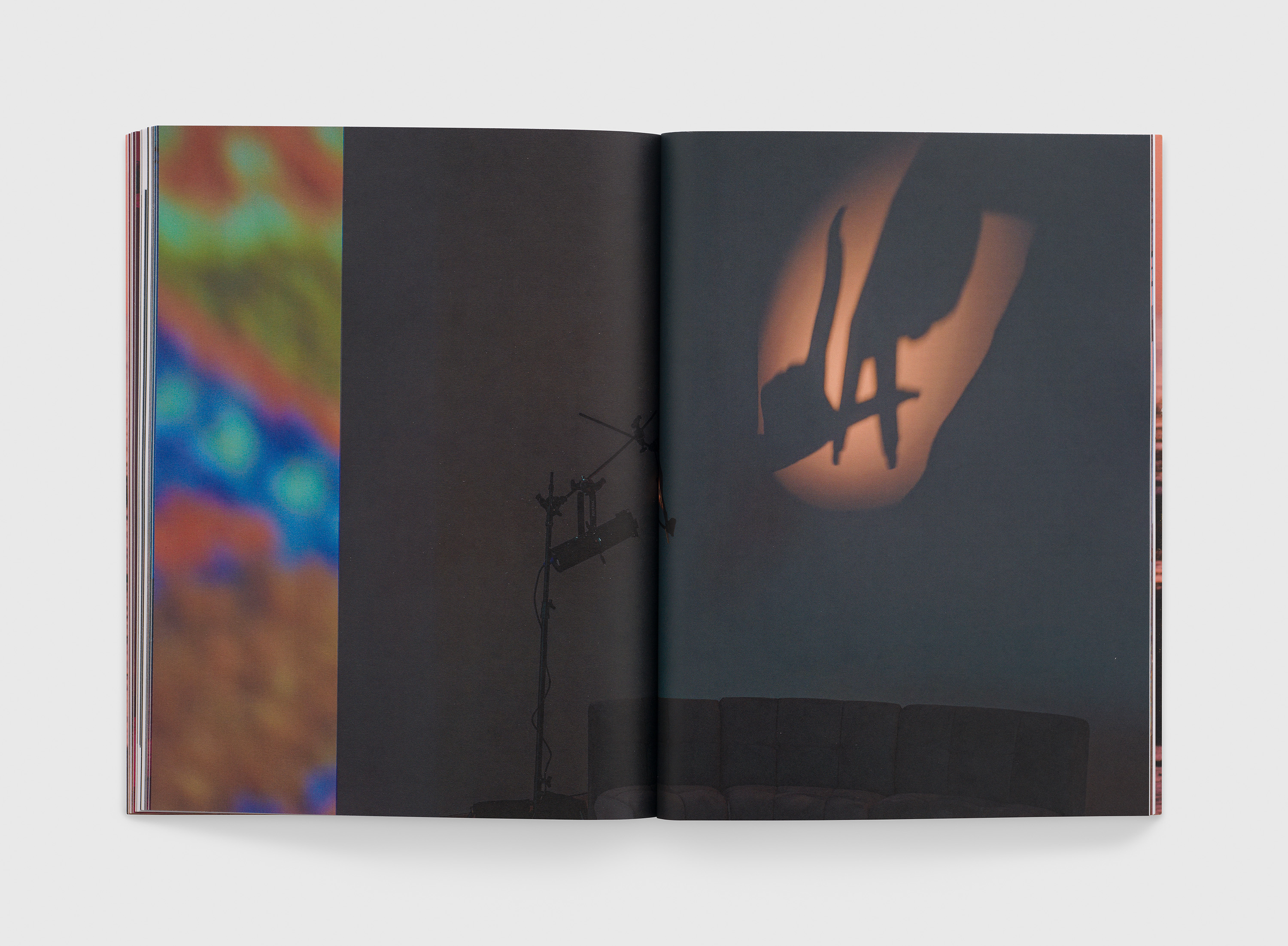
Clarion Vol 10: Cauleen Smith: The Wanda Coleman Songbook
Charles Joseph and Wanda Coleman In Conversation
Excerpt:
Charles Joseph
In various interviews you say that your primary objective as a poet, as an author, is to “rehumanize the dehumanized.” Why don’t we start from there?
Wanda Coleman
I started using this phrase sometime in the early eighties when I began teaching writing workshops. I needed a phrase that encapsulated a type of writing process I favored. I used it to describe what I was doing in poems like “Emmett Till,” poems that filled in the cultural gaps in newspaper articles, where the victims or perpetrators were black. I made up the phrase, as far as I knew, and thought I was being original. However, as I often say when I lecture, there is such a thing as “simultaneity of thought (la simultanéité de la pensée).” Like-minded individuals come up with the same idea independent of one another in different parts of the world.
It is highly probable that others began to use the phrase “humanize the dehumanized” and it began working its way into the American vocabulary. I have done this with other phrases, popularizing ones I’ve heard in the ghetto for years, or coining on my own. For example, “pimpmobile,” a word I heard in the seventies. “Muthafatha,“ or “motherfather” as one word, which I made up. And my much-borrowed title “American Sonnet,” used by other poets without giving me credit. I like to play on American adages or sayings. One of my favorites is a variation on “Wham, bam. Thank you, ma’am,” an old phrase that I believe originated in a bawdy couplet, author unknown. During the early eighties when feminism was raging, I had lots of fun when lecturing by changing it to “Wham, bam. Thank you, Sam.” That phrase has worked its way into our slang vocabulary, and I’ve even had other women say it back to me.
CJ
Can you single out one period or one event that made you change your perspective from self-preservation and a claim for respect towards the more global scale of rehumanization of L.A. territory? When did this shift occur to you as a black woman and/or as a writer? Was it motherhood? The 1992 South Central riots? Growing oppression by exponentially developing mass media? Or all of the above, accumulating over one another?
WC
The shift started early with the televised exposés of Malcolm X. Knowing that such a man existed was like having spring water poured over my parched psyche. Racism as I encountered in the Los Angeles Unified School system had nearly murdered my spirit. This budding awareness was further encouraged during my first marriage which corresponded with the mid-to-late sixties. My first husband Charlie Jerome (Jerry) Coleman gave me my first lessons on how the world really worked, particularly our American government. He was very political and reintroduced me to my own people’s history. He knew more about it than I had ever known or been exposed to, either at home or in school. My parents didn’t know as much in quite the same way he did. We spent most of our days in L.A.’s political underground, from the NAACP Youth Council to the black paramilitary, associating regularly with Betty Little, Malcolm’s cousin, and her husband Jamal Hakim. Jerry spent a brief spate with Ron Karenga as one of his “henchmen.” It was quite a time.
Watts Towers Art Center, 1966 © Los Angeles Public Library
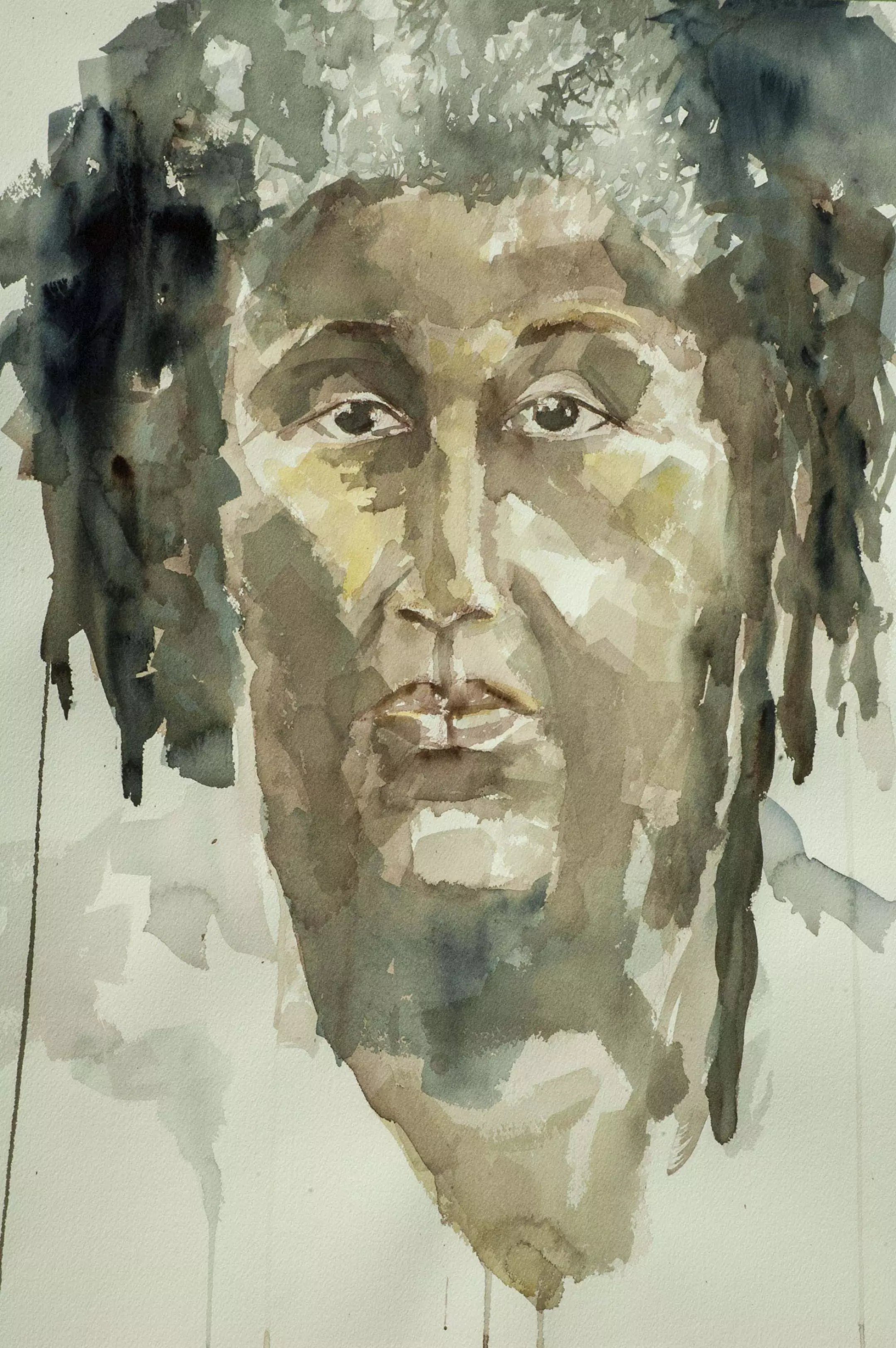
George Evans, Wanda, 2008, watercolor
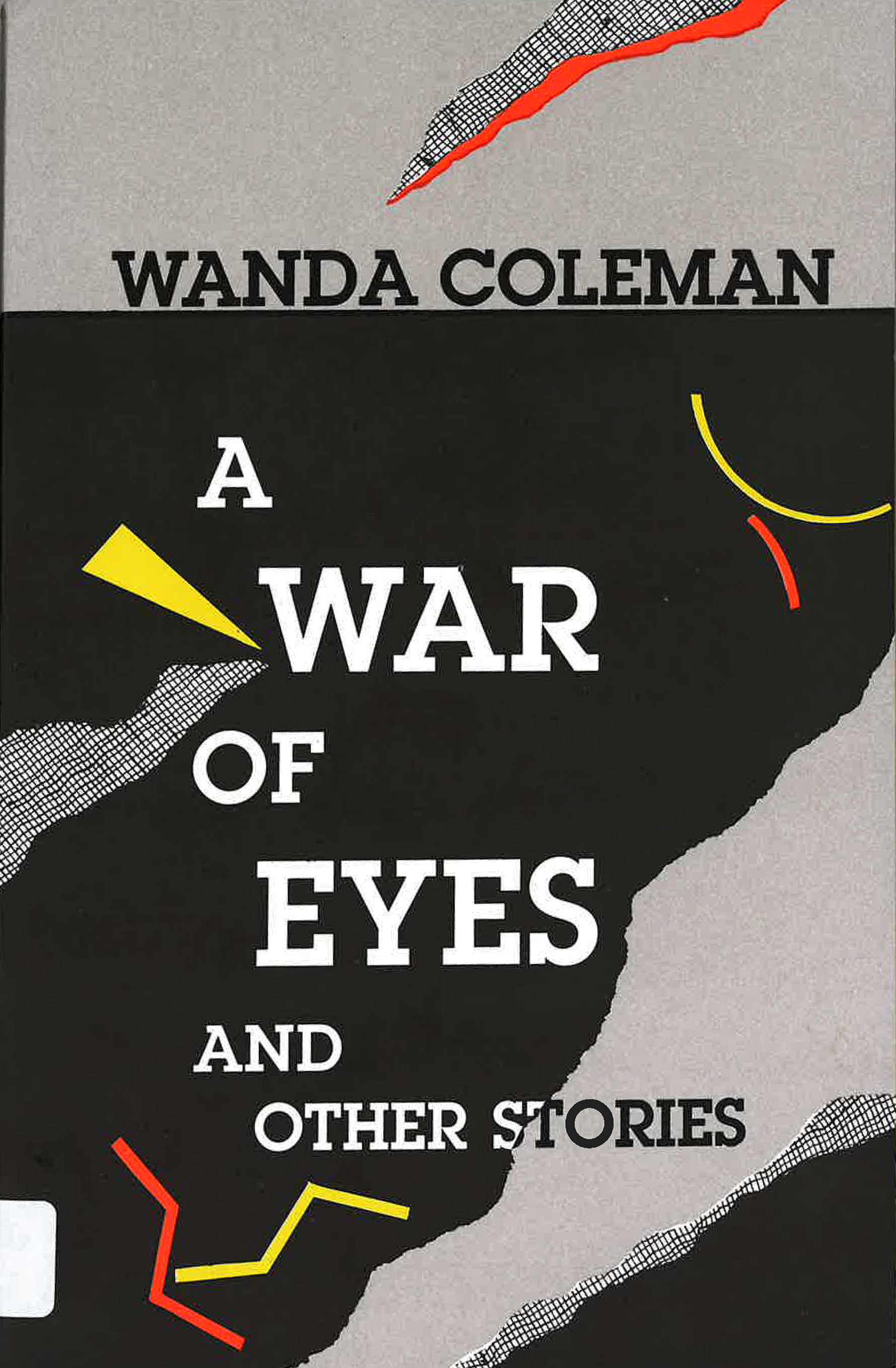
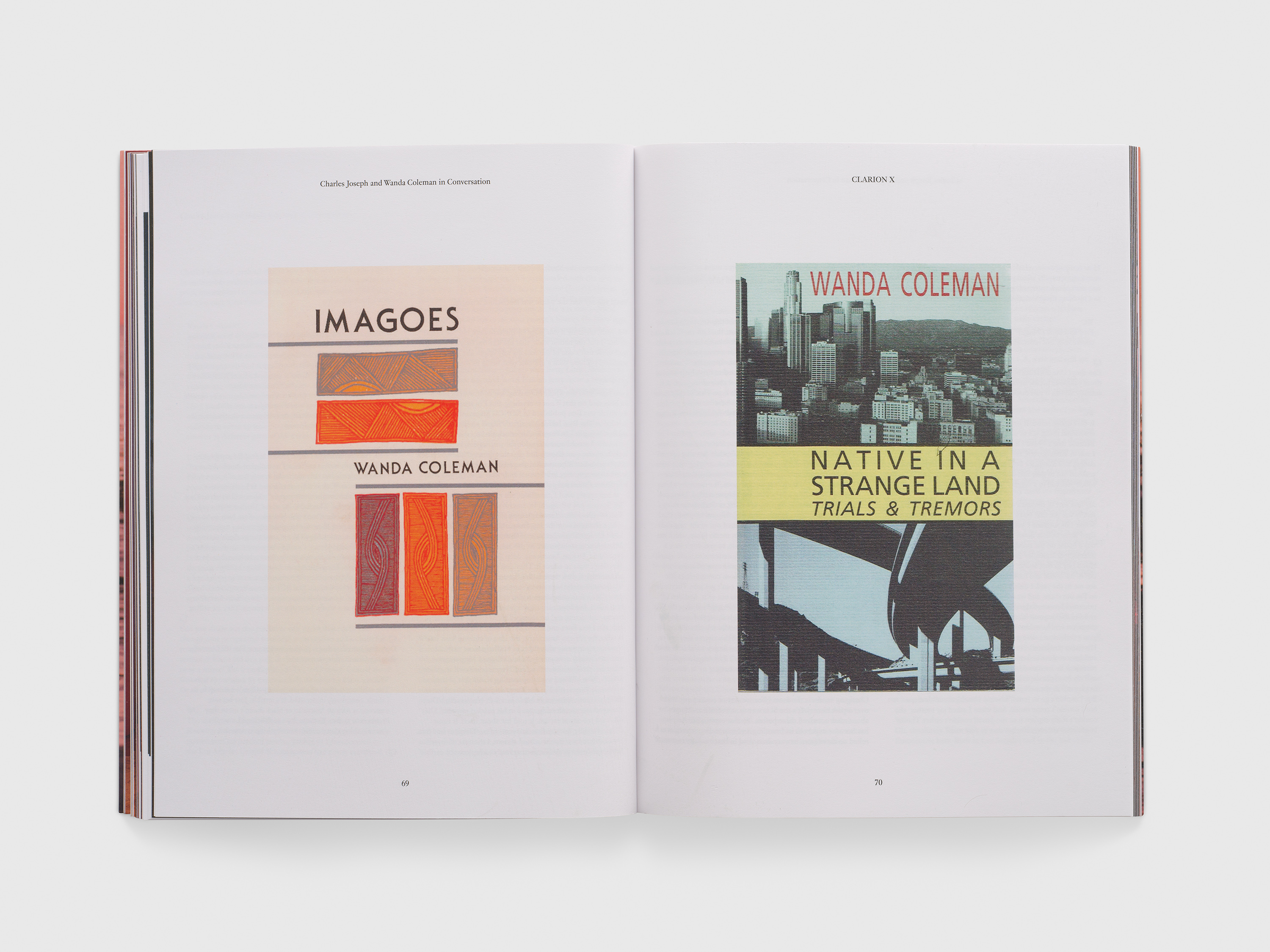
© Black Sparrow/David R Godine, Publisher, Inc.
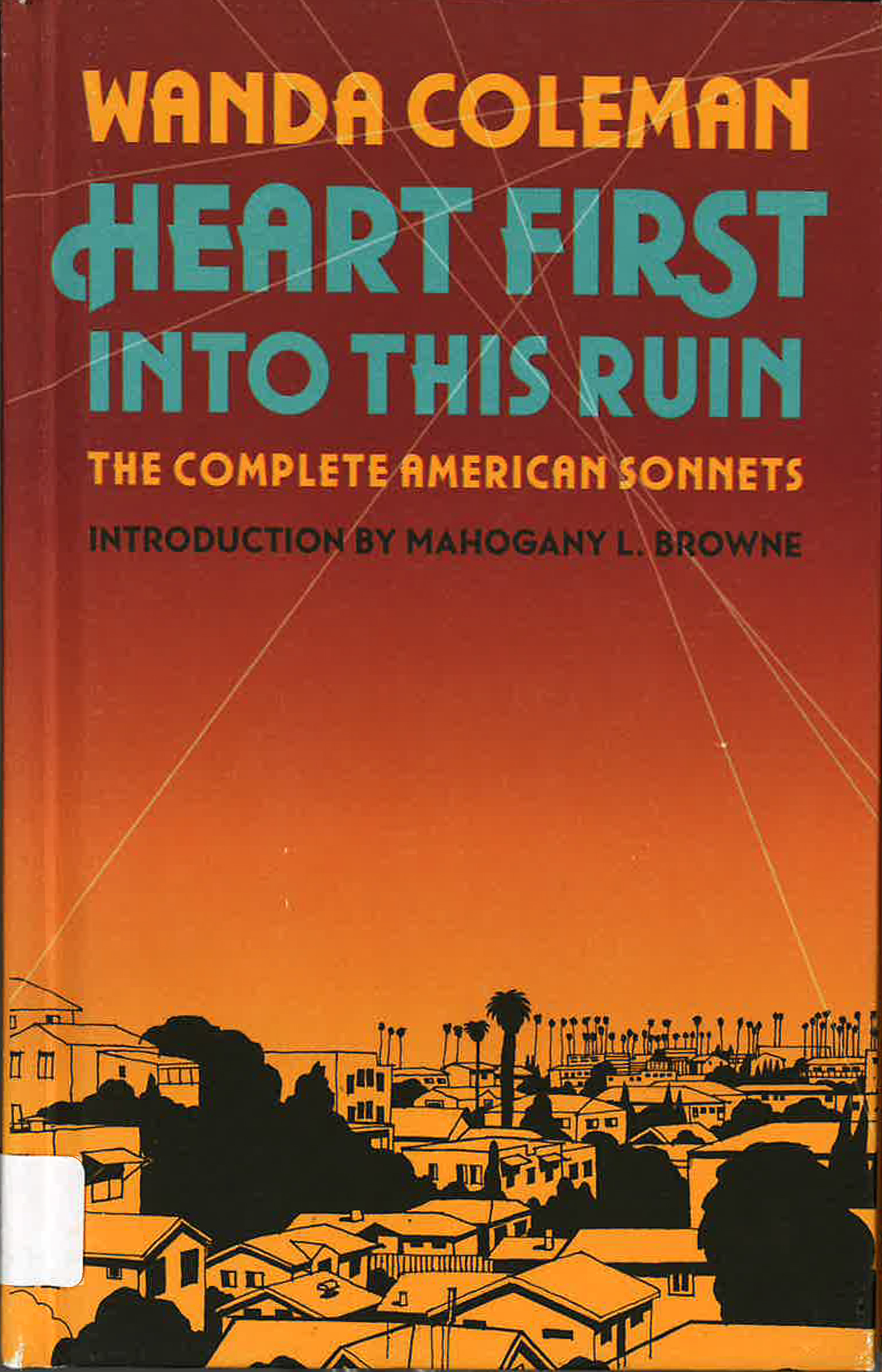
© Black Sparrow/David R Godine, Publisher, Inc.
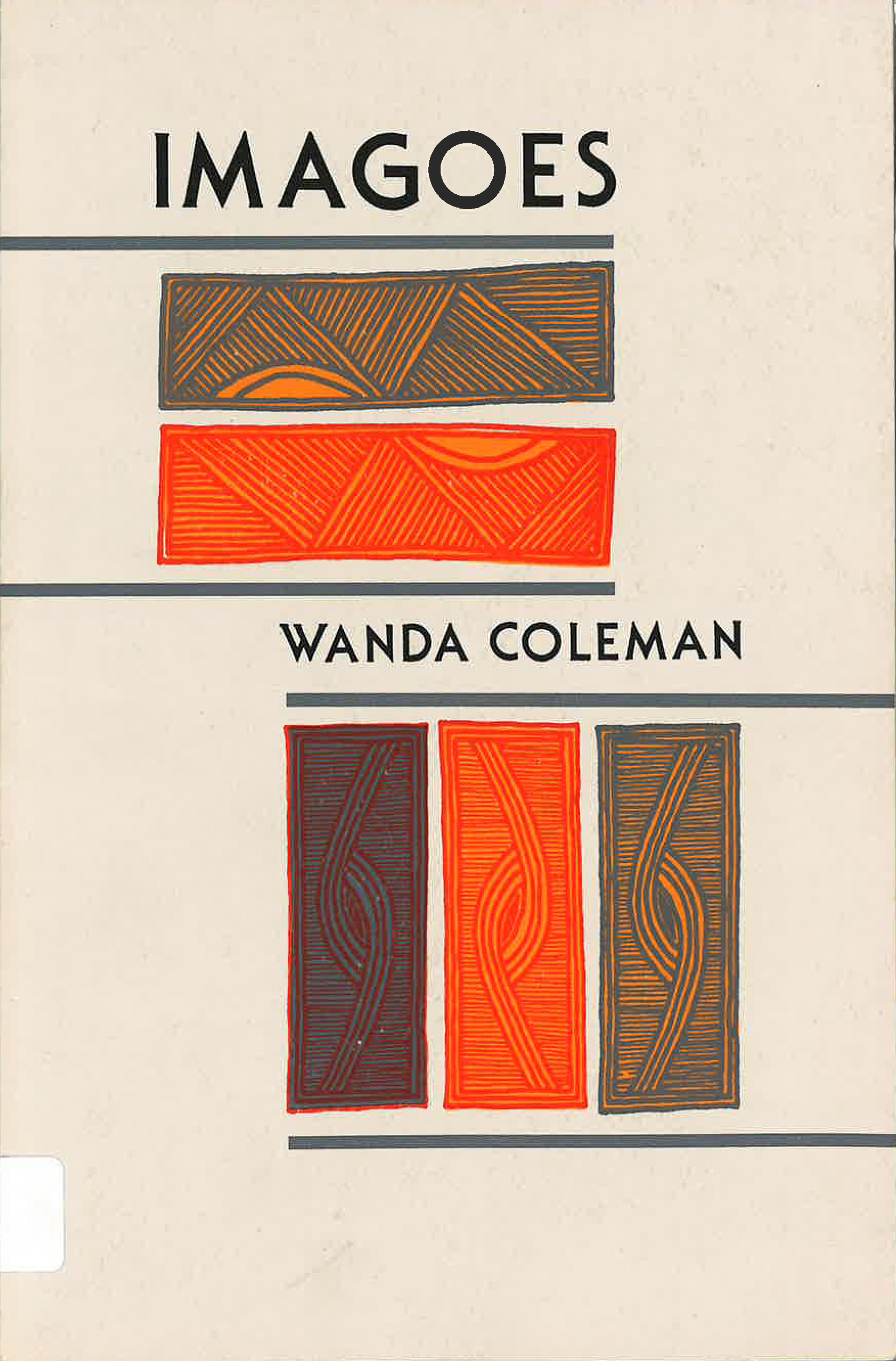
© Black Sparrow/David R Godine, Publisher, Inc.